Close

Development projects in Senegal

Photographic coverage of EU-funded projects in Senegal.

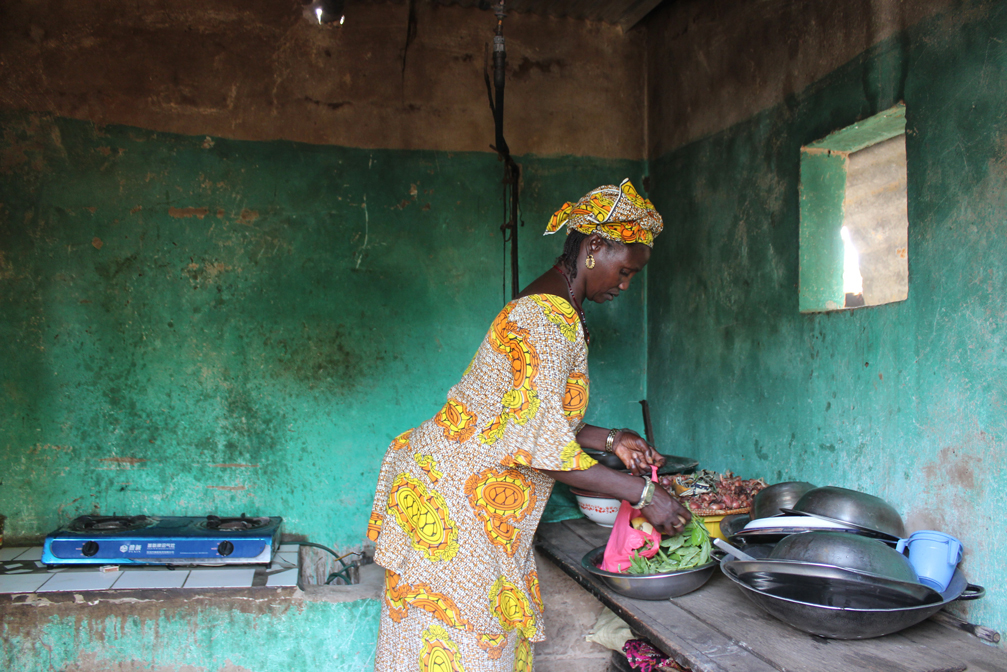
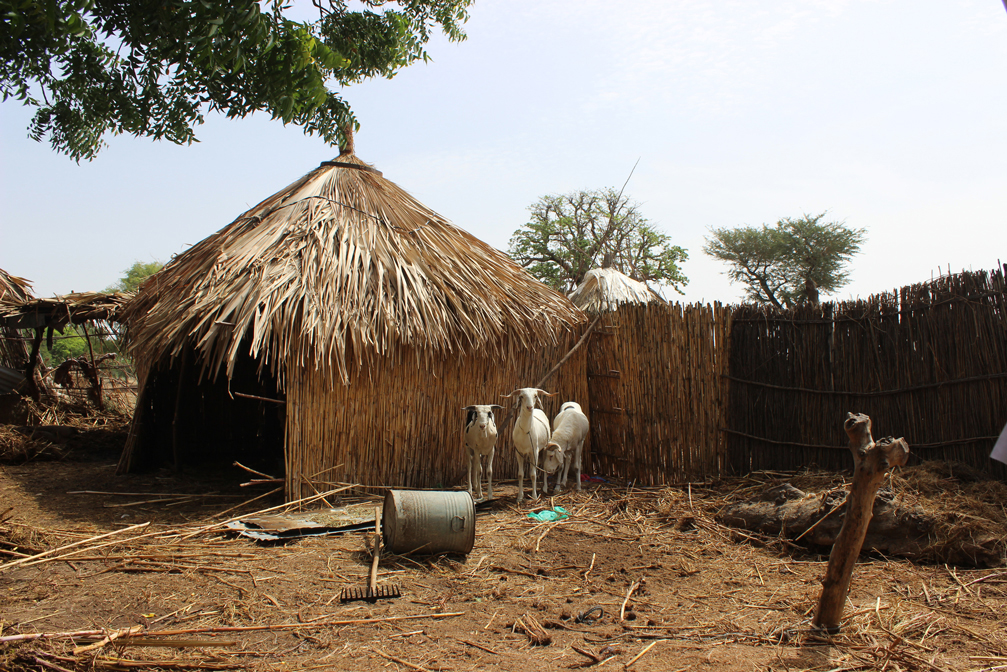
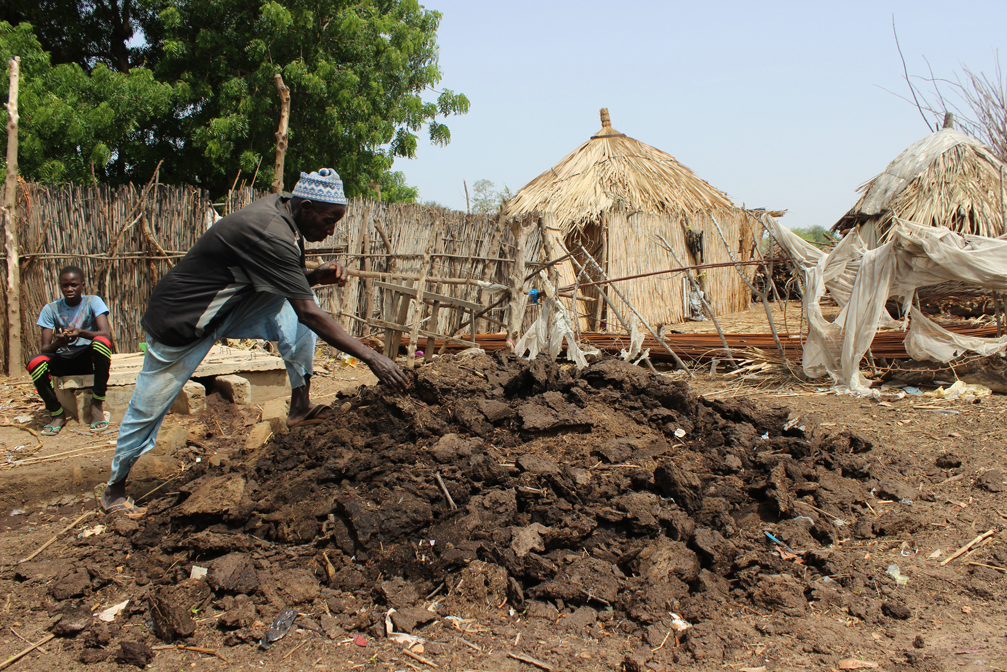
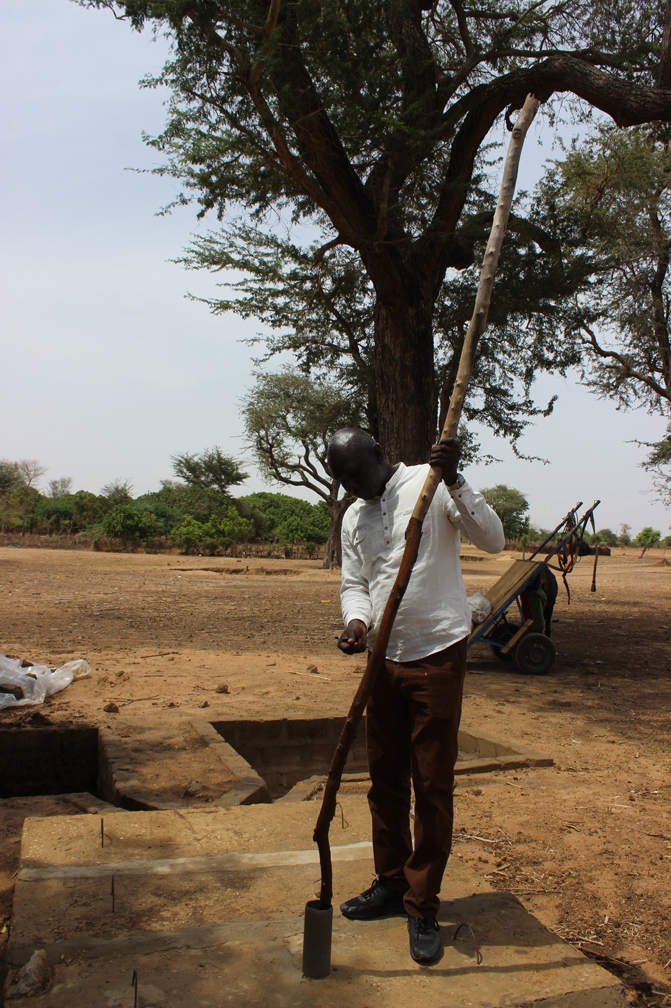
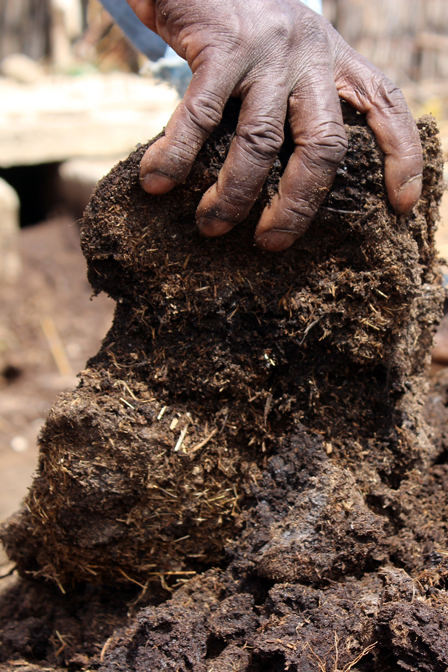
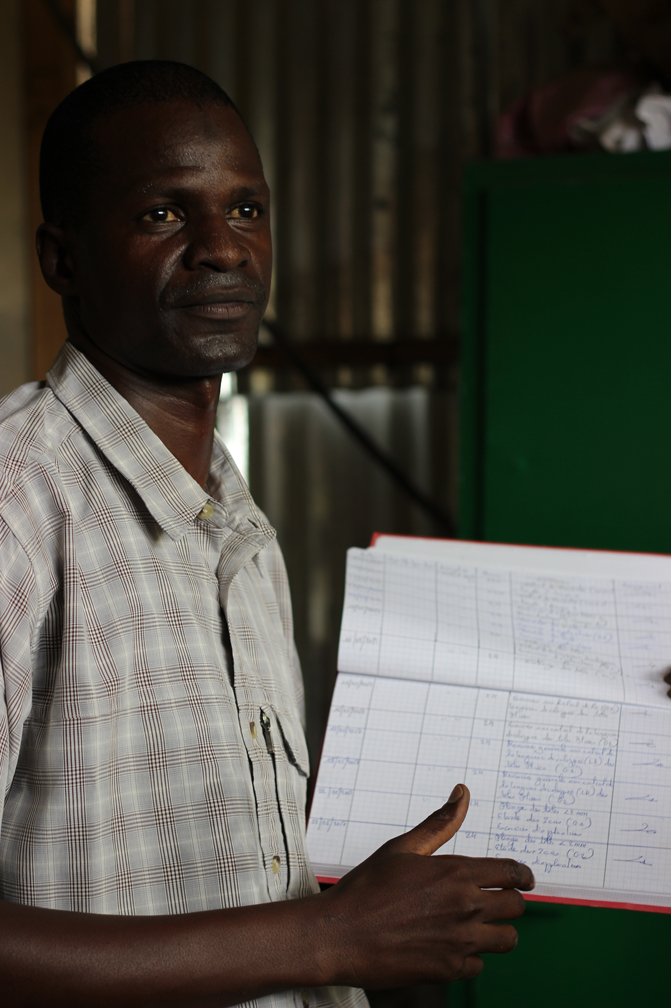
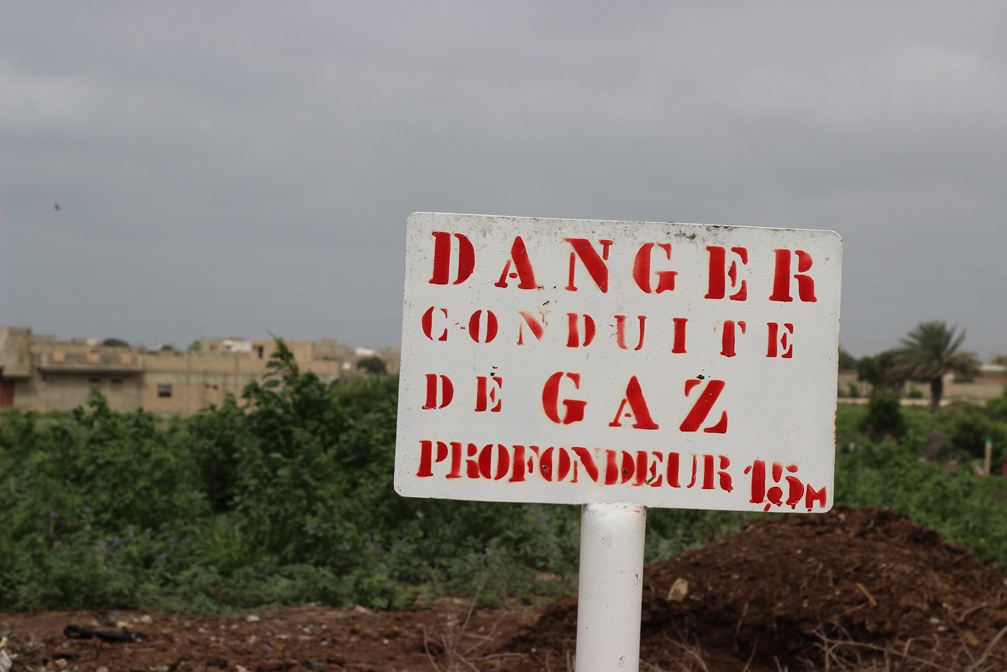
Implementation of biodigesters in the rural region of Tattaguine as part of the National Domestic Biogas Program.

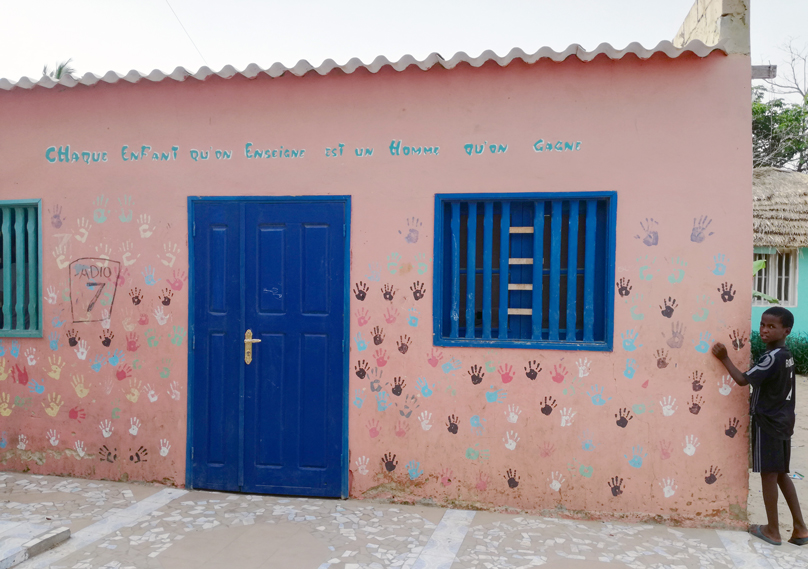
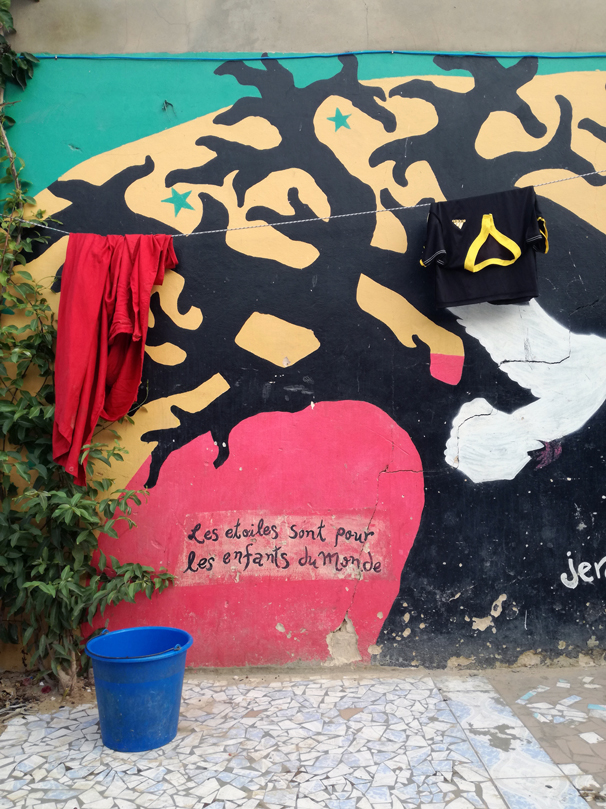
There are more than 50,000 homeless children in Senegal. They are known as talibés. Sent to the daaras (Koranic schools) where the marabout (spiritual guide) teaches the Koran and Arabic, most of them are forced to beg on the streets. This group of Senegalese in Maison de la Gare, in St. Louis, north Senegal, try to support these children by providing them with medical assistance, education, workshops, a place to play, shower and sleep for a few nights.

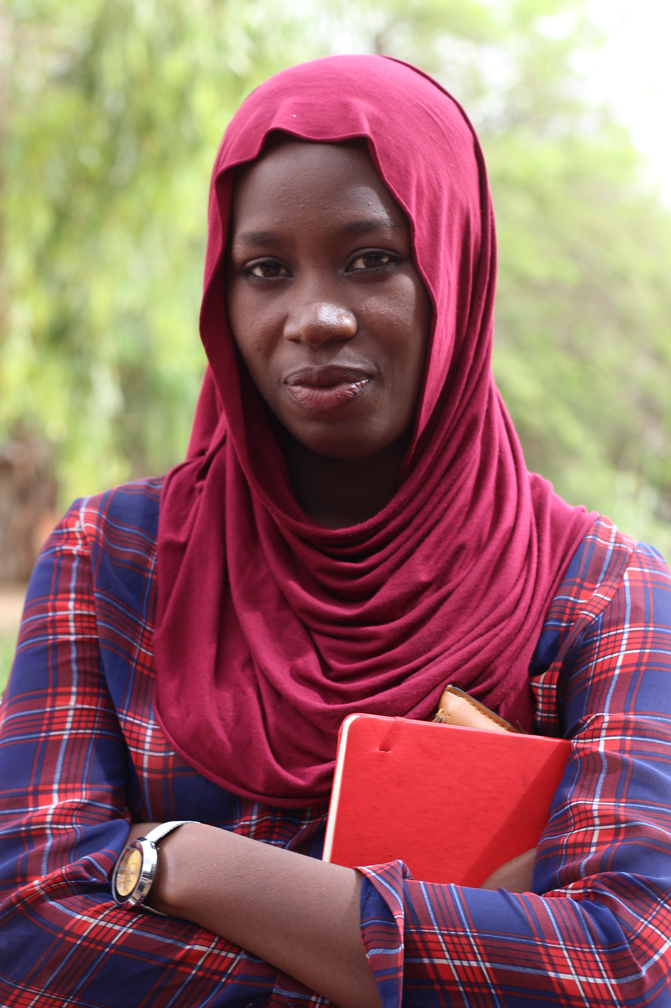
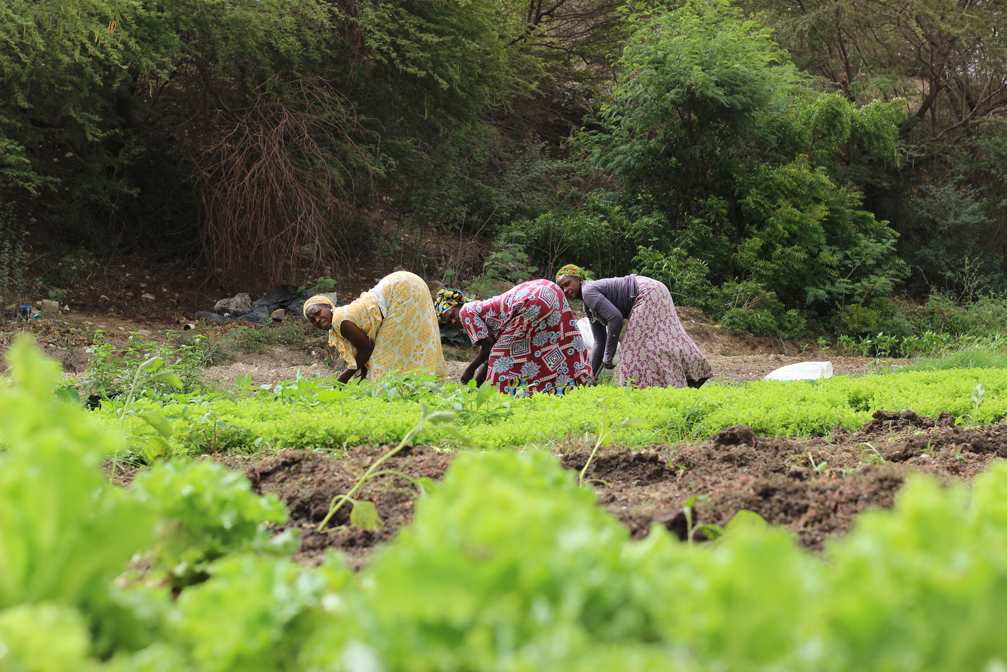
In the outskirts of Dakar, young Senegalese are investing in agriculture, aiming to fight malnutrition in schools by providing them with national products.

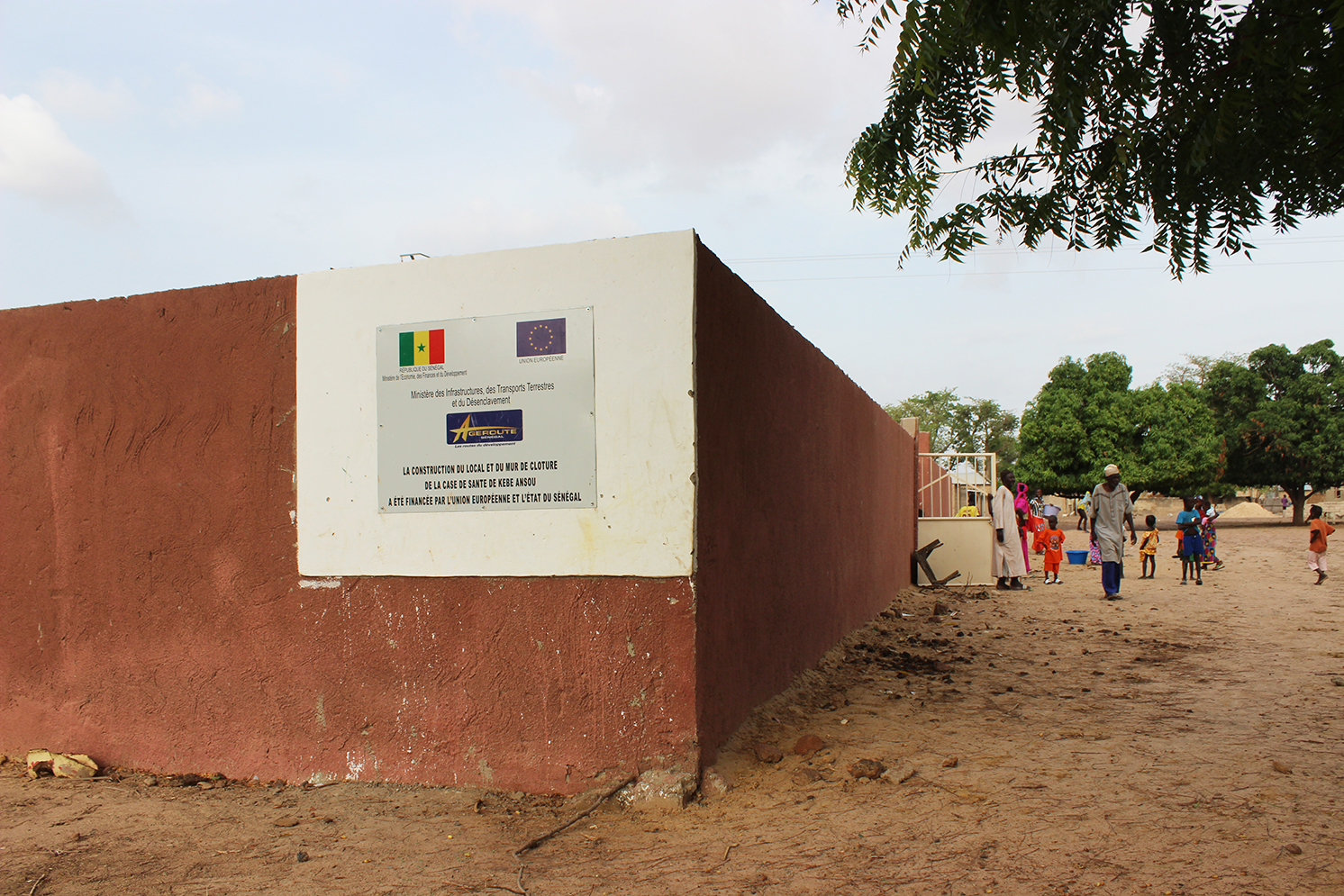
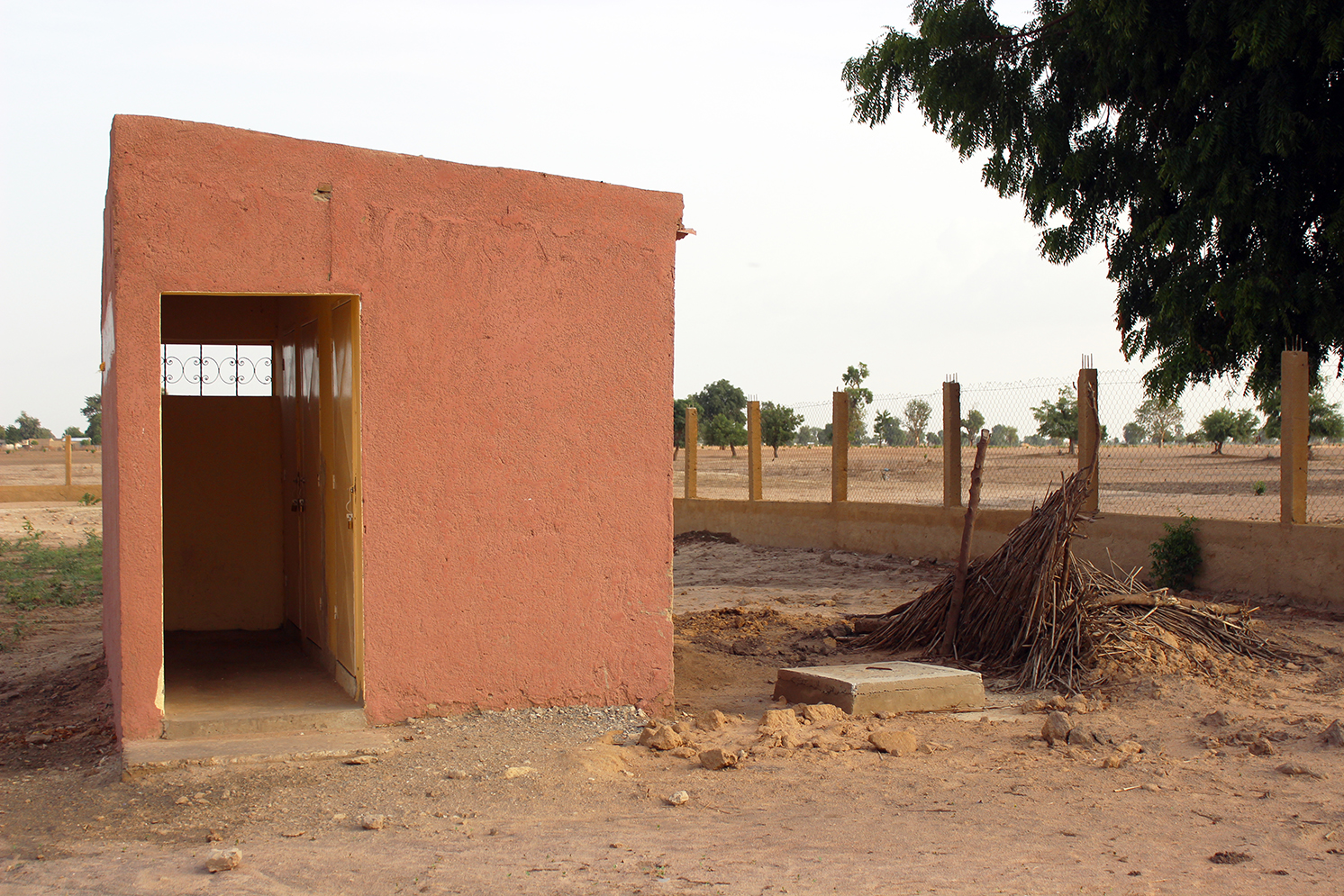
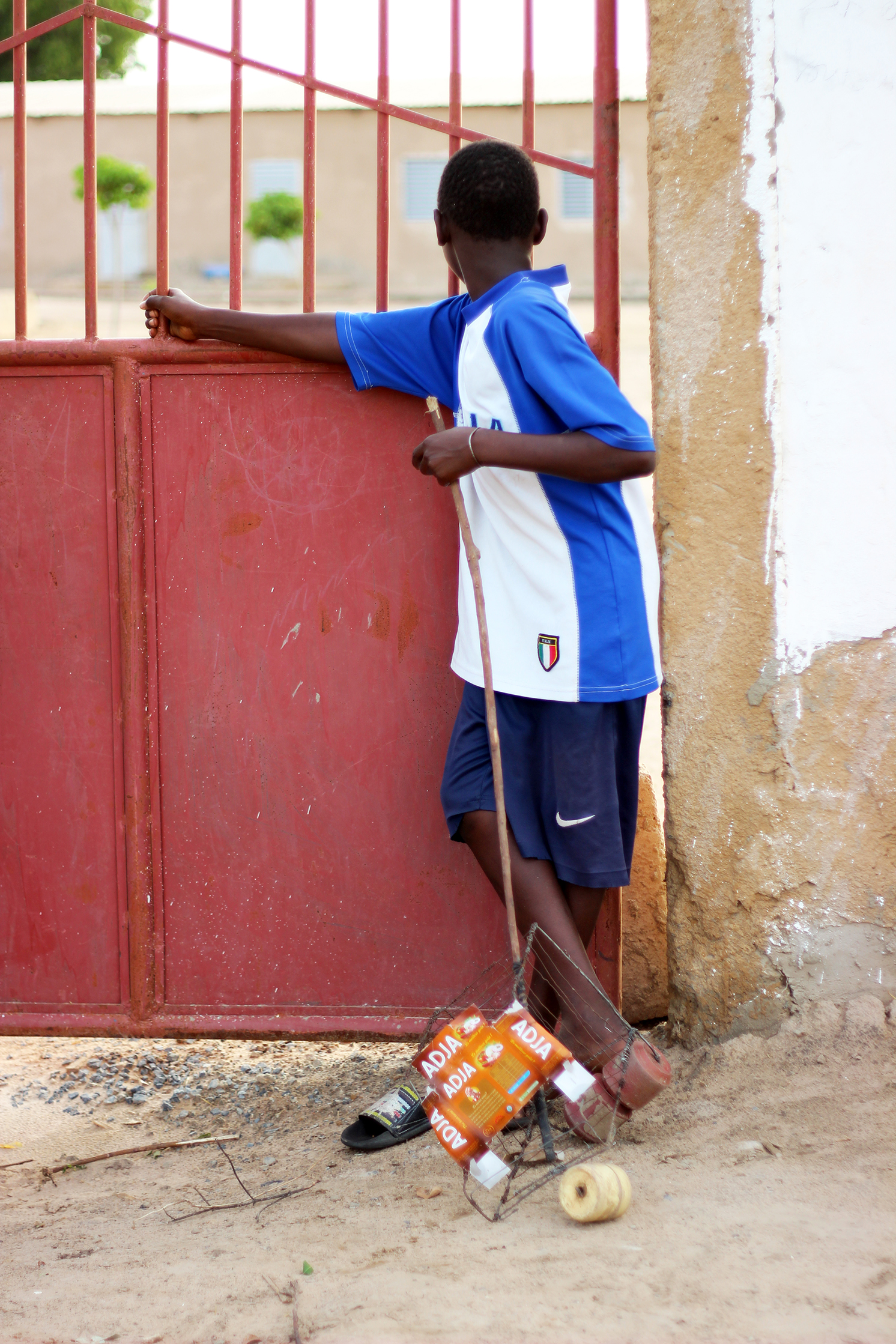
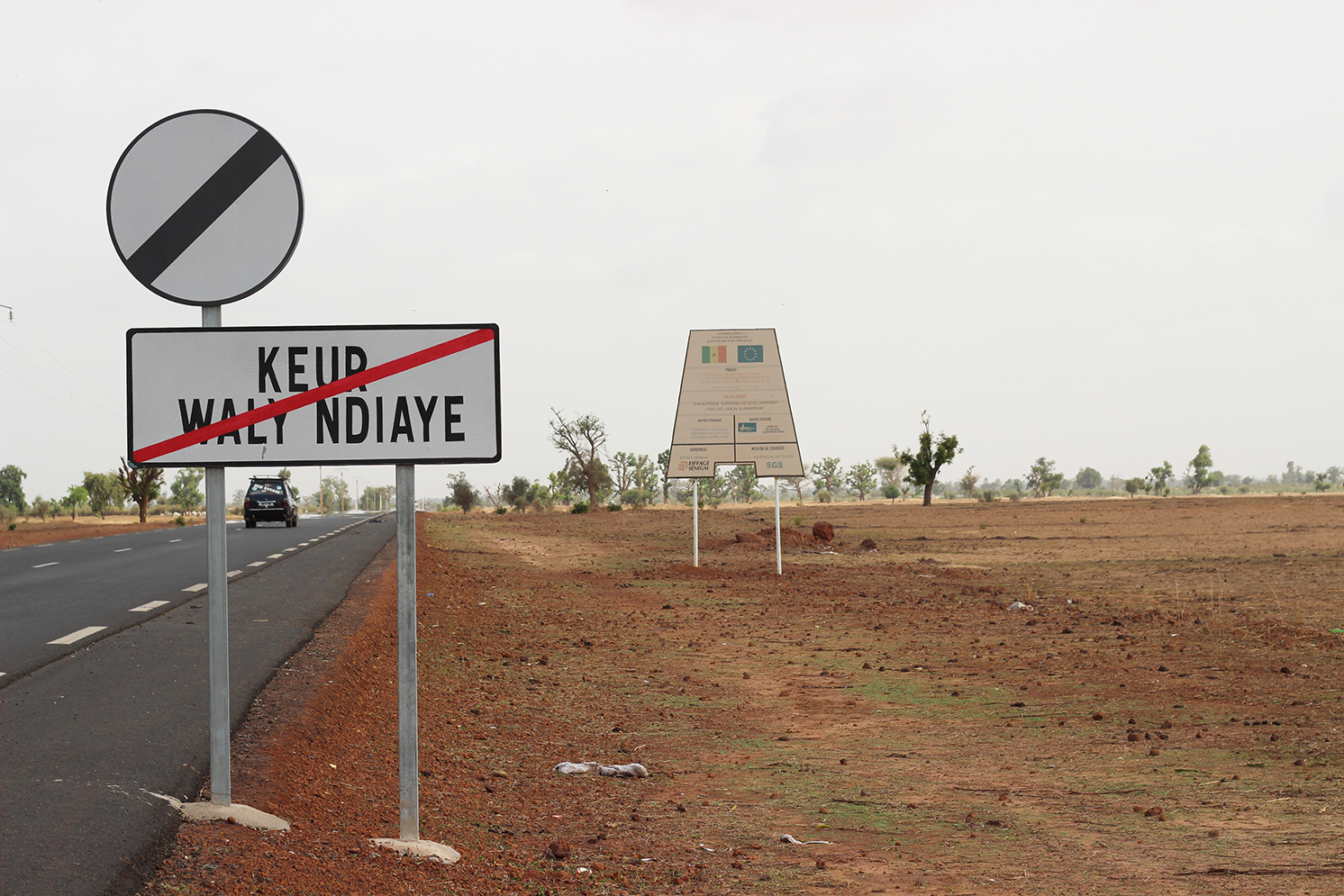
The rehabilitation of the route that connects the towns of Passi and Sokone has very concrete goals: promote regional integration and mobility. But for the majority of the local population who does not own a vehicle, the most meaningful of having a highway crossing their villages might have been the walls constructed around the health clinic and schools, as well as the new toilets.

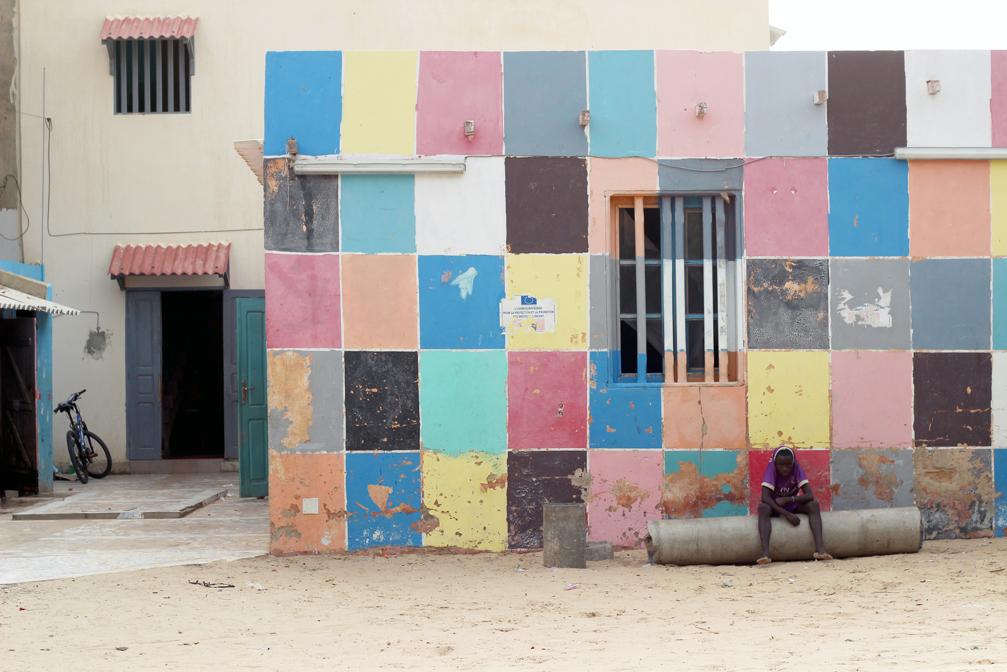
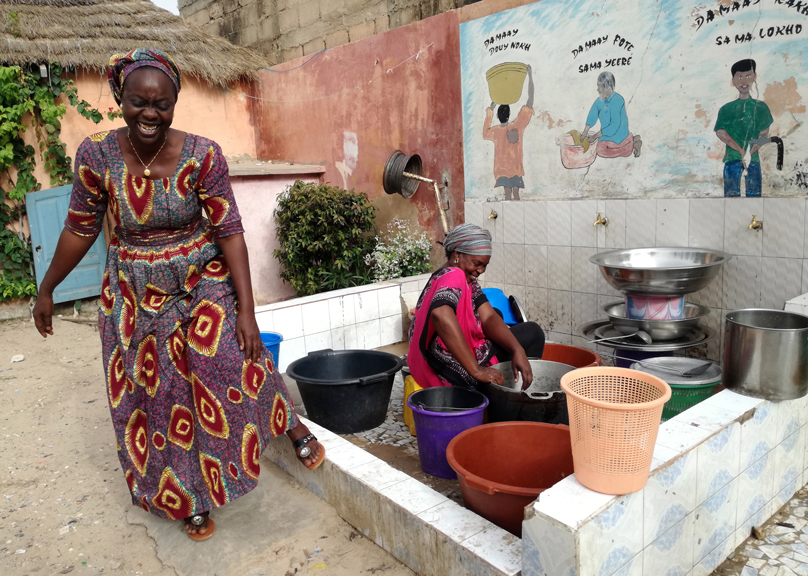
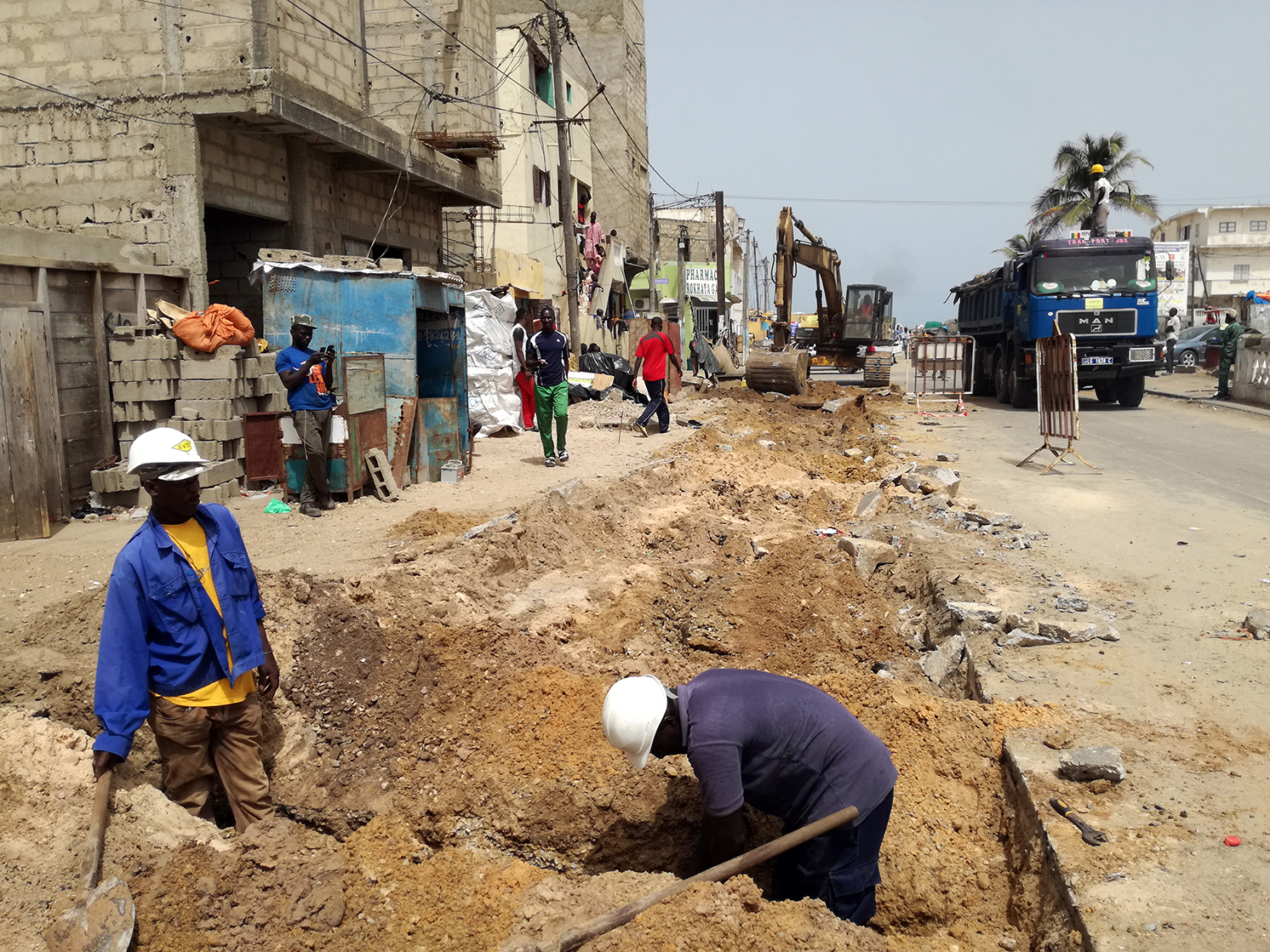
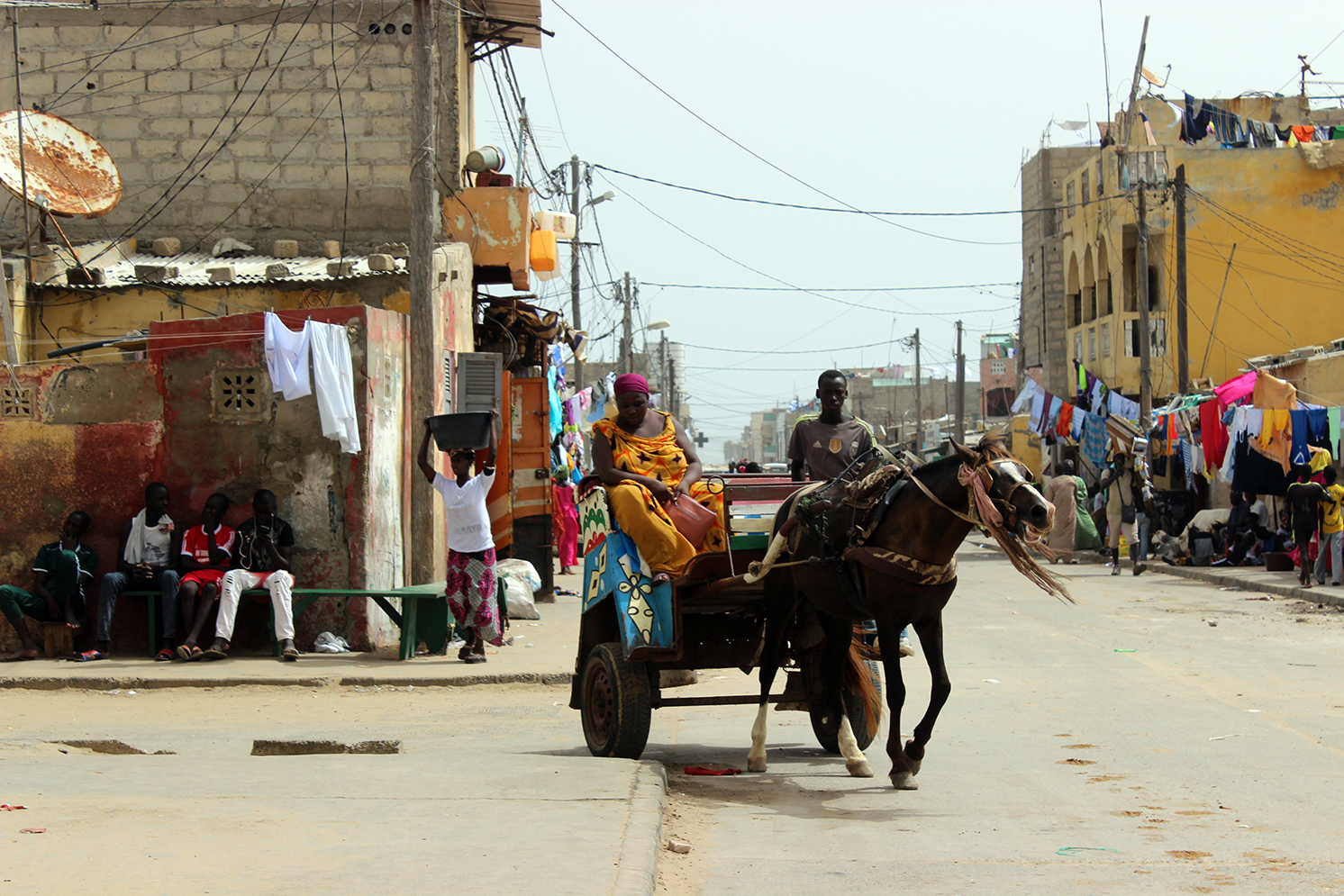
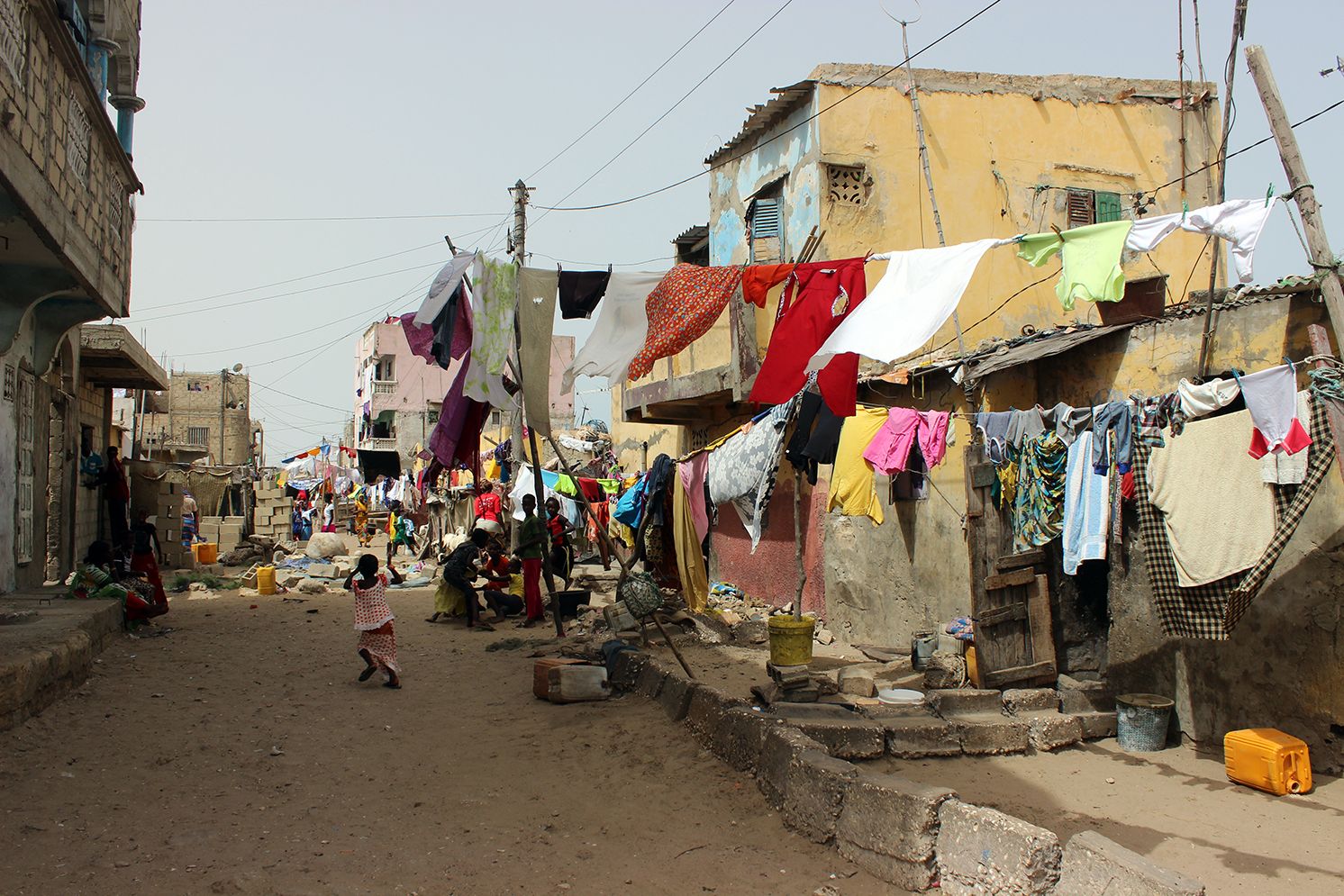
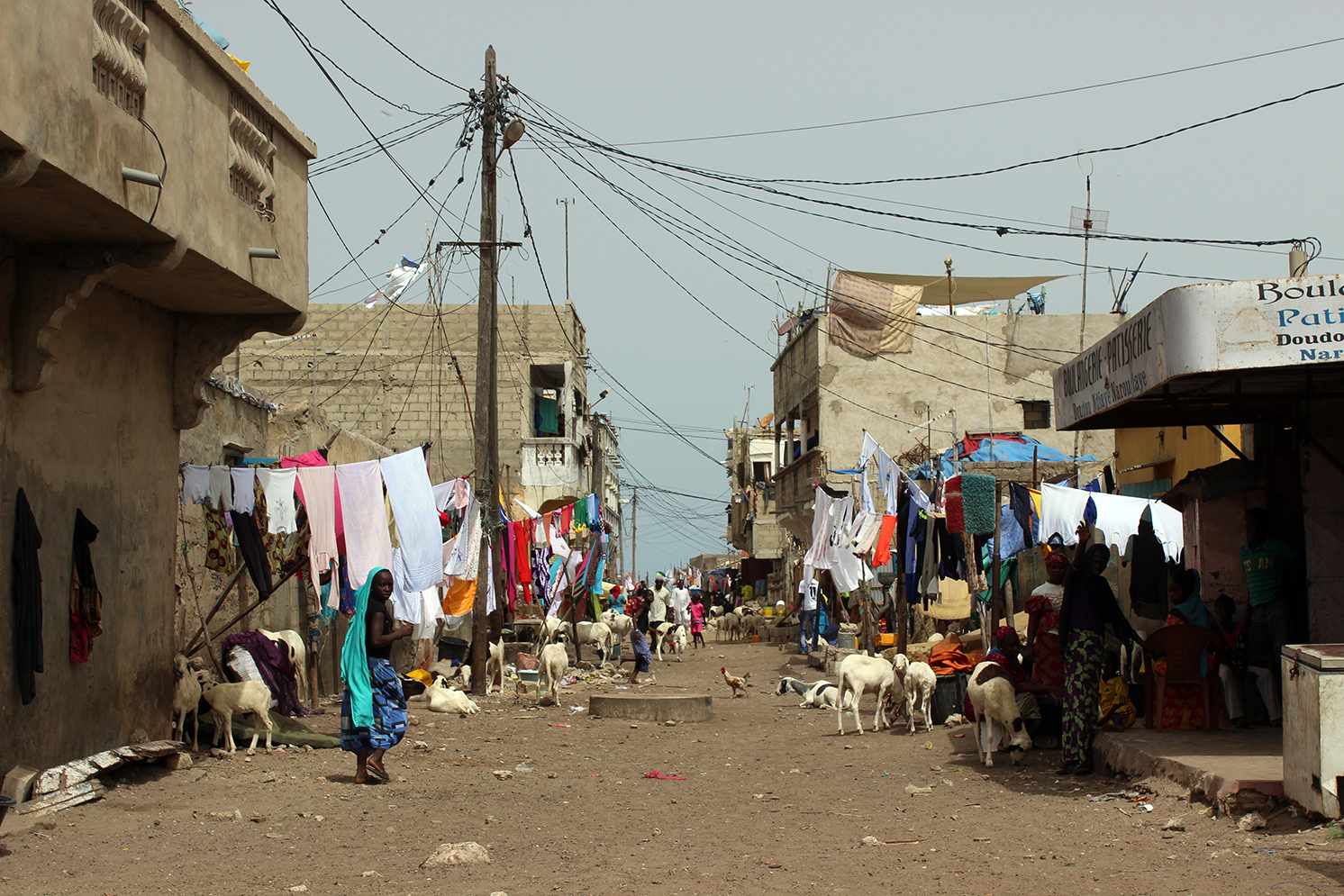
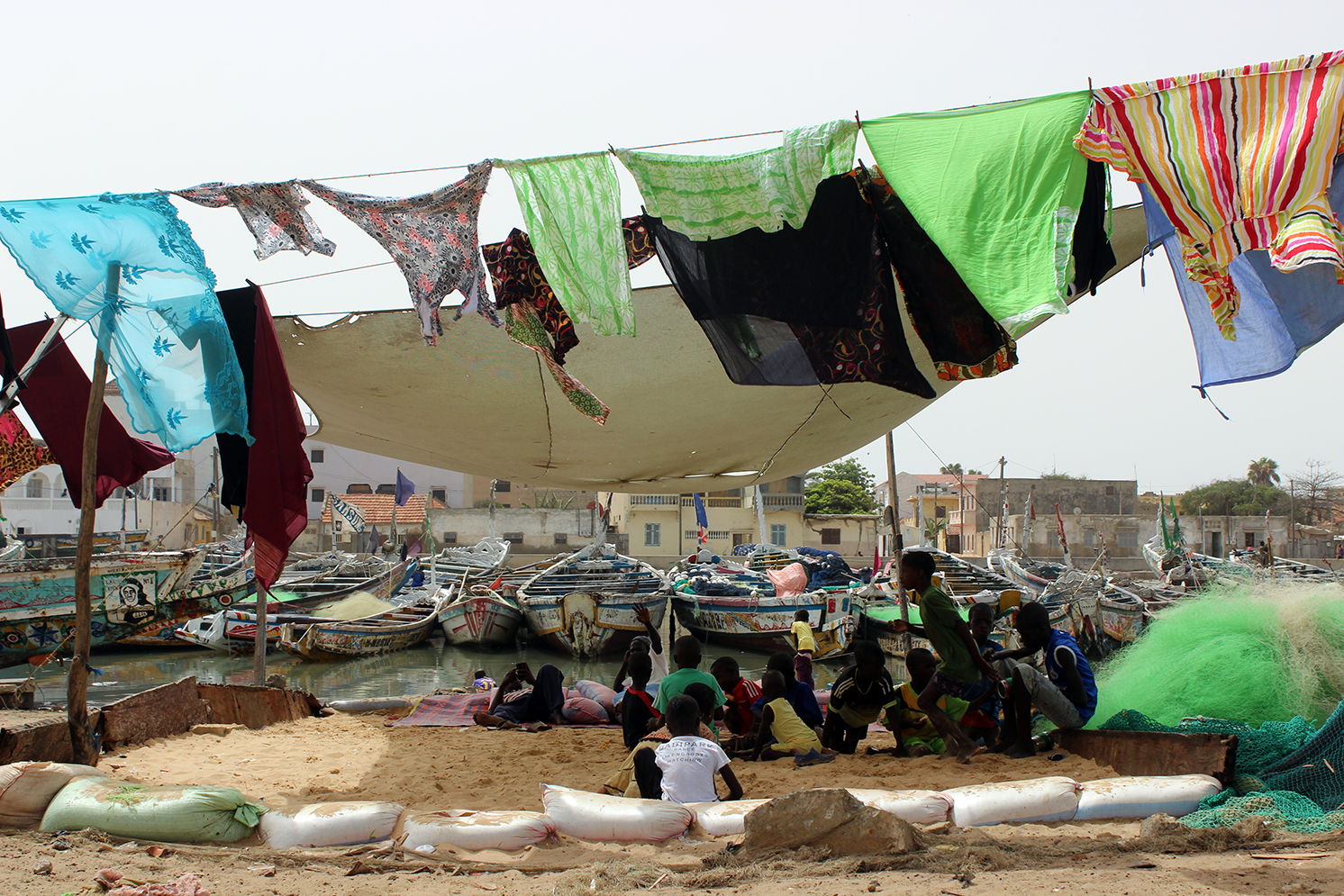
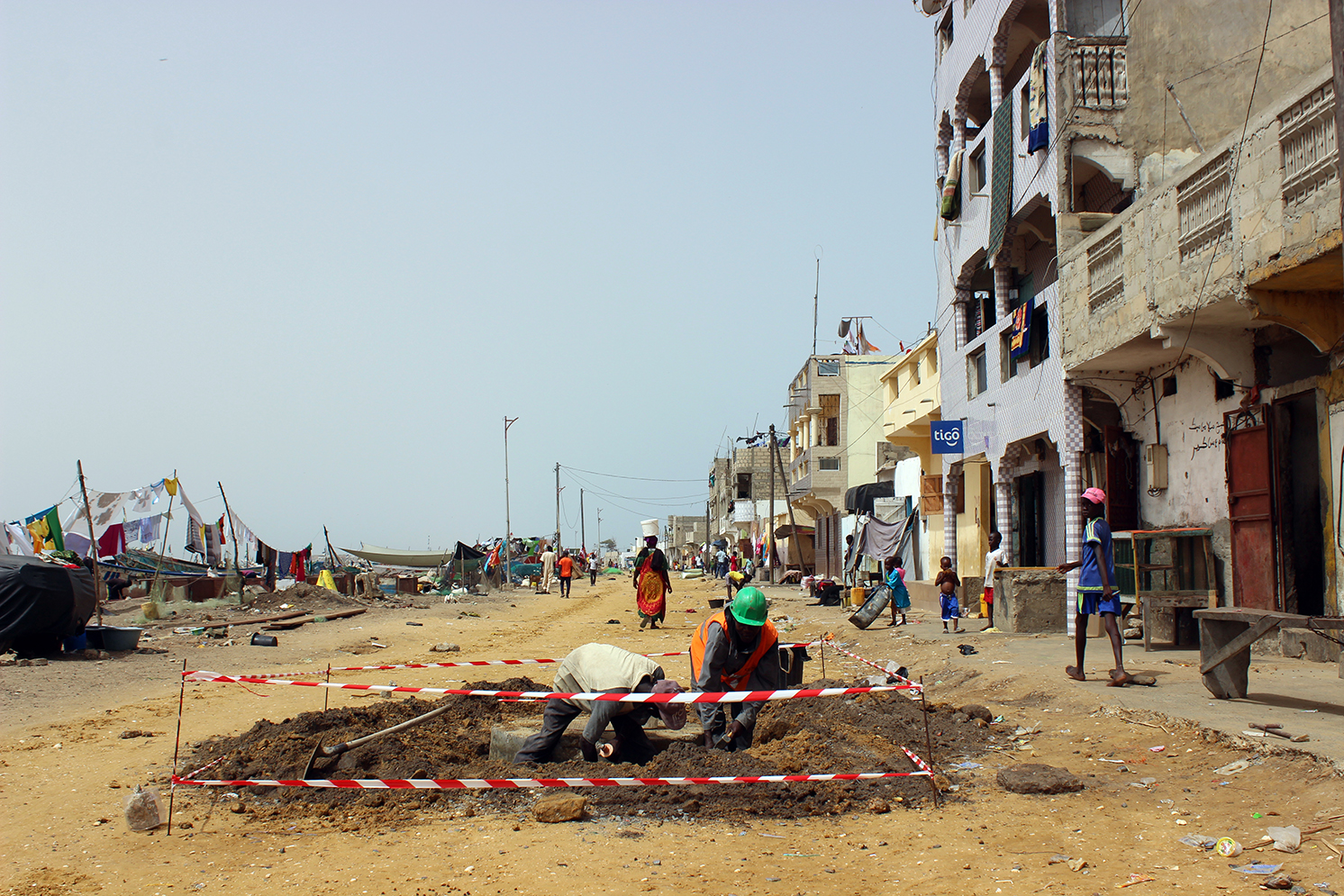
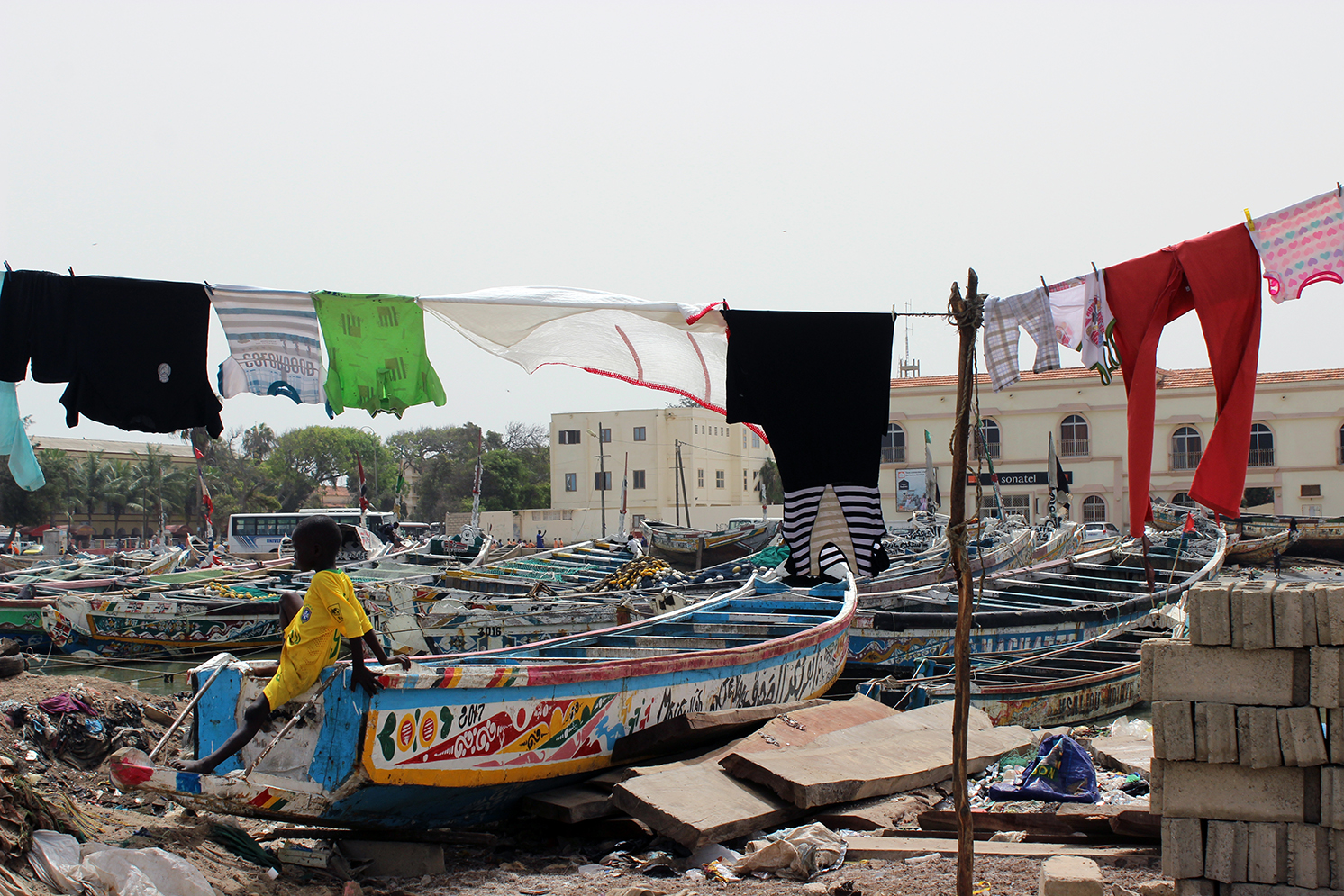
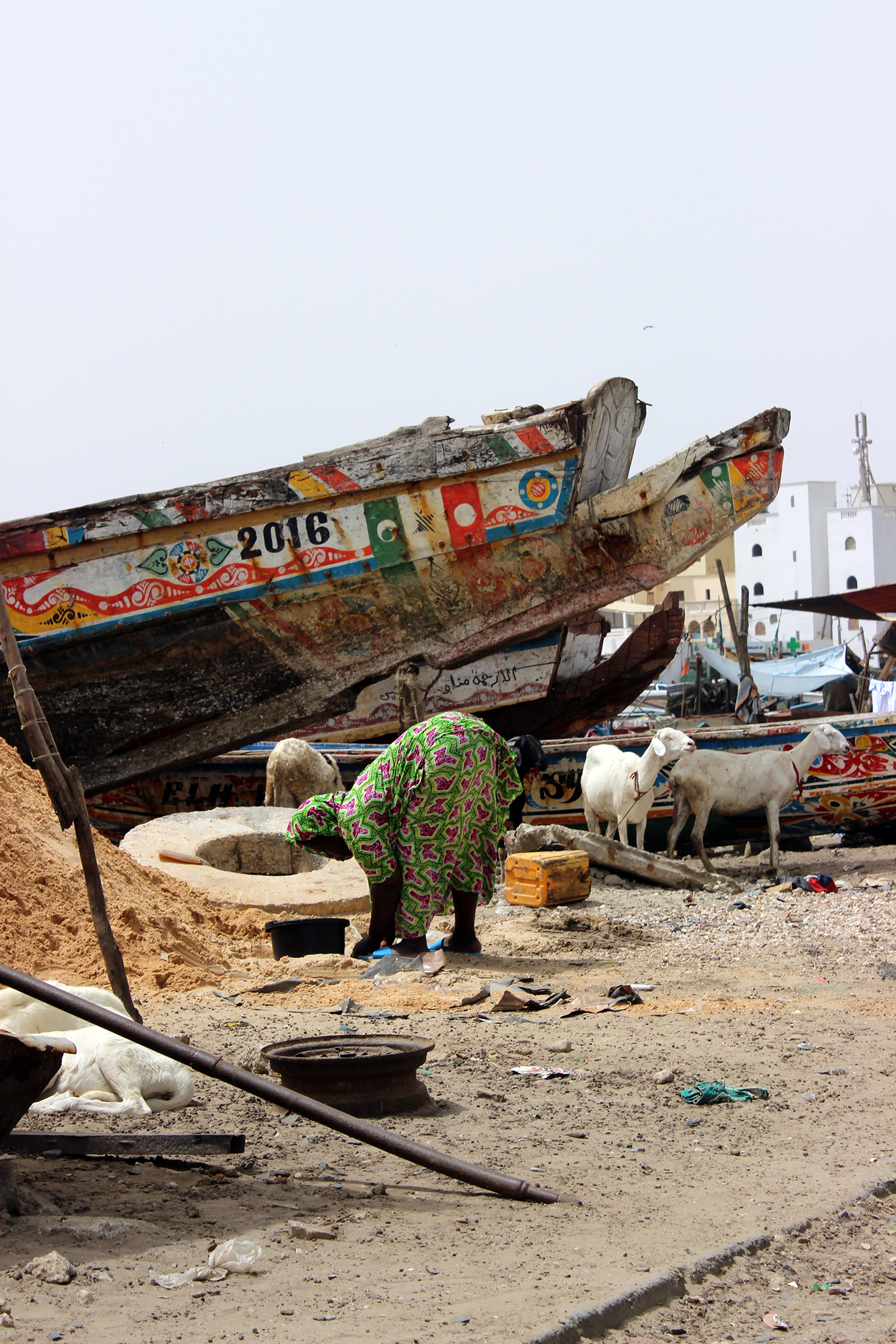
Close to the Unesco World Heritage Site Saint-Louis is the district of Guet Ndar, which has about 25,000 inhabitants. Its population density is the highest in urban areas in Senegal and more than half of the households do not have access to sanitary facilities (showers, sinks, toilets or latrines). Despite predictions that in a few years this area will disappear, as it sits on a strip of sand, the EU and the government of Senegal are investing in sanitation.