Close

Hogar / (Nursing) Home

Photographic essay with elderly from the nursing home in the village of Santa Rosa.

The nursing home in the village of Santa Rosa is home to about fifty people. Most of them shared with us photographs of their childhood, youth and grandchildren, but none showed us photographs of the present. So, we decided to add a new photograph to each one’s album. This is how the project Hogar started, with the collaboration of the residents and caregivers of this nursing home, in a relationship of respect and friendship built over months.

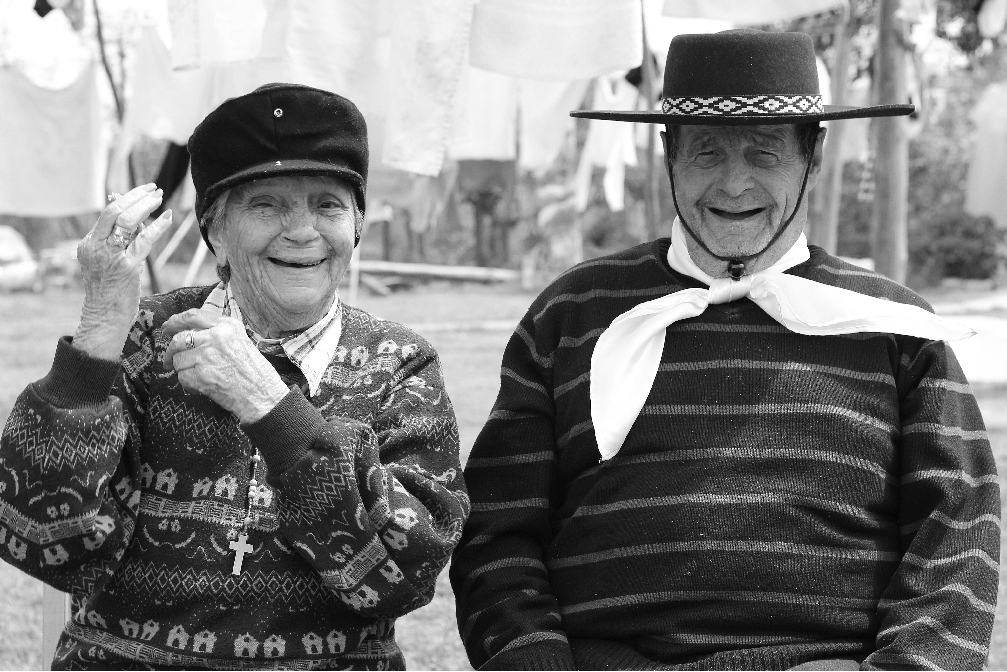
Júlia and Pedro

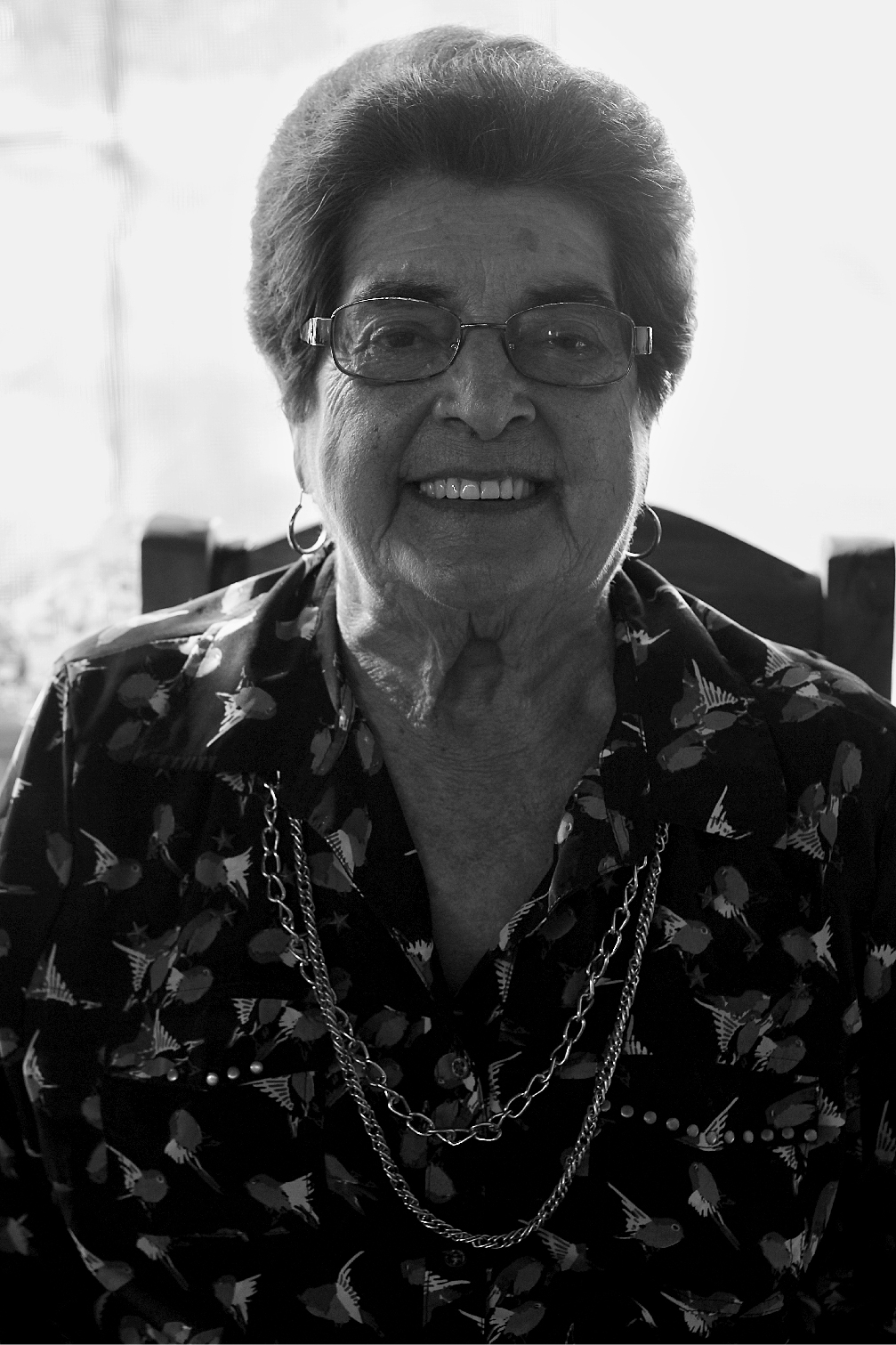
Júlia has 7 children, 14 grandchildren, 28 great-grandchildren and a great-great grandchild.


Those who witnessed her arrival at the Hogar say that she was living in great poverty, with one of her children physically abusing her. Júlia’s version, however, is of an unconditional love for her children, a smile, a cigarette, a poem and the happiness of having found her partner, Pedro, here in the Hogar.


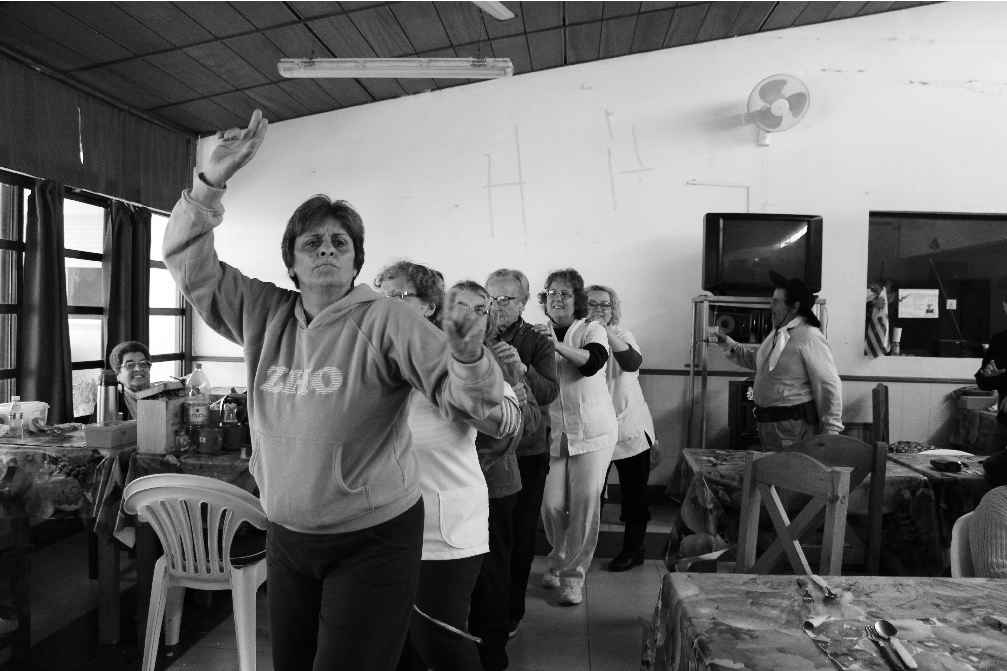
Pedro was a gaúcho (traditional figure of the Uruguayan countryside). He always talks about his ranch and his love for horses. He drank all his life until a stroke brought him to the Hogar, where, little by little, he recovered his speech with the help of the caregivers. This new stage of sobriety brings him a new happiness. He loves playing cards and drinking mate (traditional Uruguayan drink) with Júlia. They are the couple of the Hogar and the liveliest people living here.

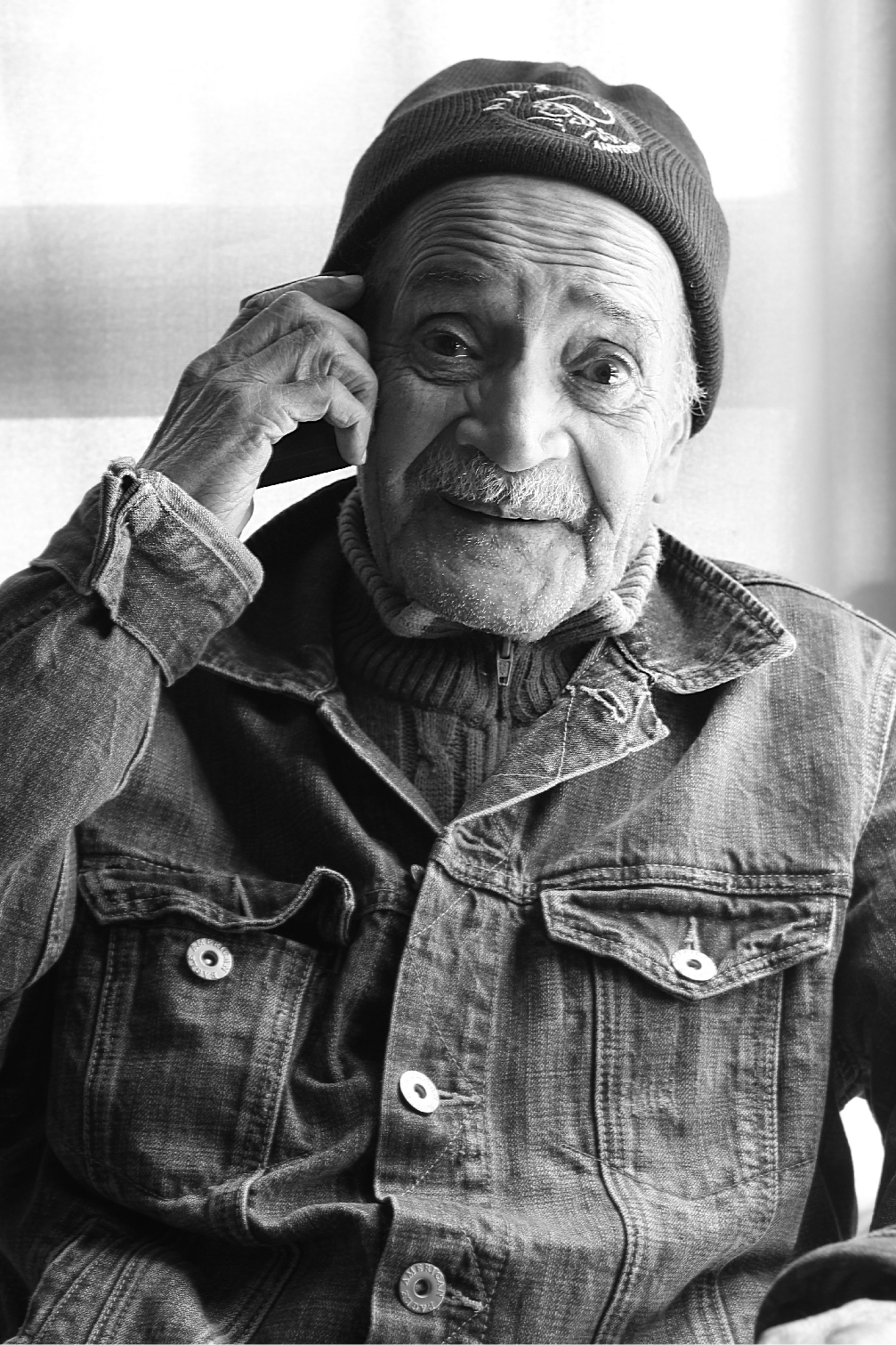
Ariel, el Morocho

Ariel, el Morocho, is one of the few people from the capital living in this rural nursing home. Away from Montevideo because of a car accident that hurt his leg, he moves away from the rest of the residents because “they cannot hear anymore, they are senile and they have nothing interesting to say”.


Always sitting in the same corner, he watches who walks by while listening to his portable radio. He does not deal well with the Hogar, nor with Santa Rosa, of which he only knows the square where he walks every day. With no children, he always talks about his life in Montevideo’s neighbourhood Barrio Judio, his trips to the cinema and the three years he lived and worked in Brazil, where he learnt to speak portunhol (a mix of Portuguese and Spanish).

Clarita

Joyful and always singing, Clarita was born in Argentina. She moved to Uruguay when he was about 50 years old to join her partner, who was 20 years younger than her.


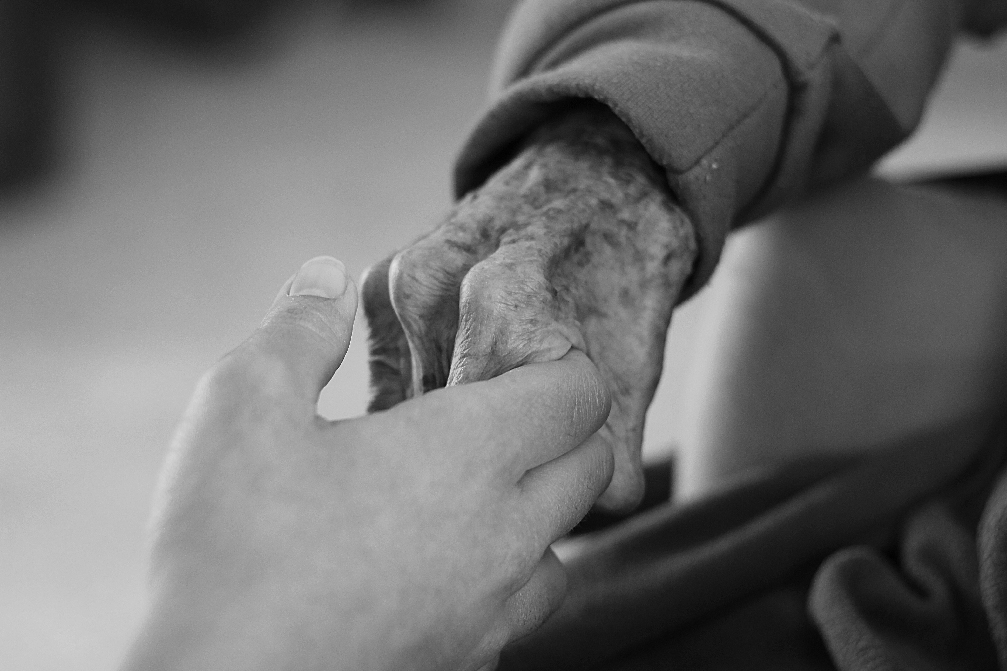
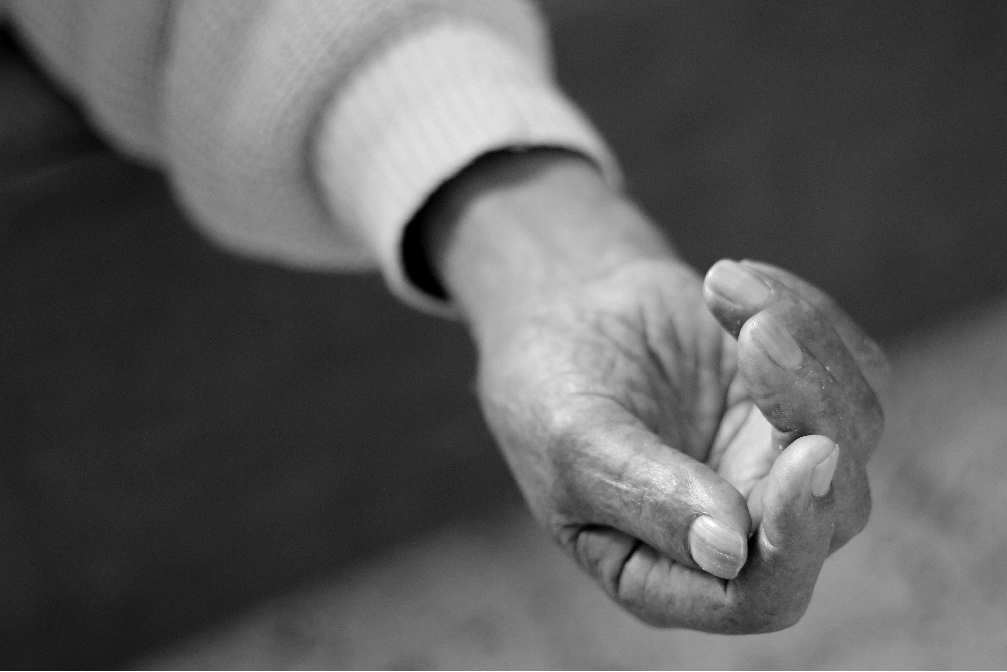
Her hands are marked with the stories that we would never have access to if it weren’t for the caregivers and her personal archive. With no family other than her husband, who died years ago at the Hogar, this place is the holder of her personal archive that has very few photographs but is full of memories of an independent woman, who liked bohemia and her cigarette, and who loved her man. When she was still able to speak, she used to scream for him as if his absence got stuck in her throat, until someone answered her.


When we met Clarita she was 100 years old. She was very dear to everyone. We had the privilege to catch a glimpse of what was left of her life, before she died in January 2016.

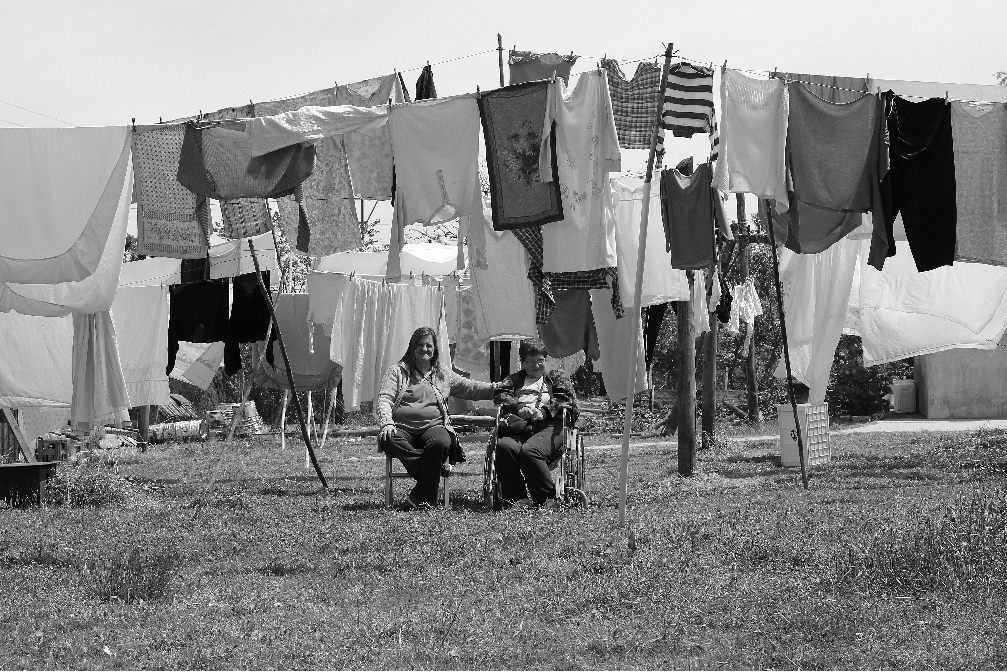
Esperanza and Alma

Green eye, young smile and a cigarette in her hand.


Esperanza is 62 years old. She worked in a factory until the alcohol took her job and her home. The social assistance brought her to the Hogar, where she has lived for a very long time now.


She found in Alma a companion and a reason for living. They spend their days playing cards, strolling on the garden and drinking mate.


Alma suffered a stroke when she was very young, which left her in a wheelchair and with serious difficulties in verbal communication. A few years ago, her children brought her to the Hogar to have the support that her condition requires. Since then, they have rarely visited her.


More than a card game companion, Esperanza is the bridge between us and Alma. She translates what Alma says and maneuvers her wheelchair everywhere.

Pedro Rodales a.k.a. Pedro, the DJ

Kidneys, liver and soul; all wounded by a life of excess.


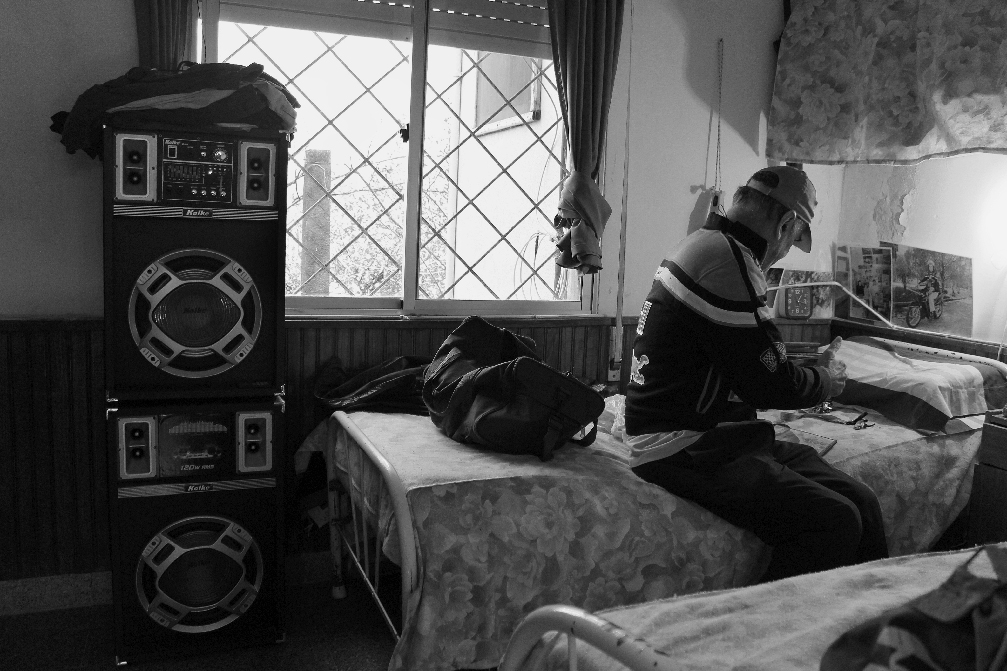
Pedro is 65 years old and he is one of the youngest residents of the Hogar. Likewise Esperanza, he arrived here through social assistance. Almost blind due to diabetes, every day he has lunch earlier than the others to arrive in time for his haemodialysis.


A music lover, he is the fan #1 of the Argentine singer Gilda and owns an impressive sound system that he keeps in the tiny room he shares with one more person. He has all the themes of cúmbia, a music style from Colombia that has spread to other countries in South America.


Pedro lives on photographic memories glued around his bed. In one of the photographs, he appears on his motorcycle wearing the biker jacket that he still wears today.

Rosa América

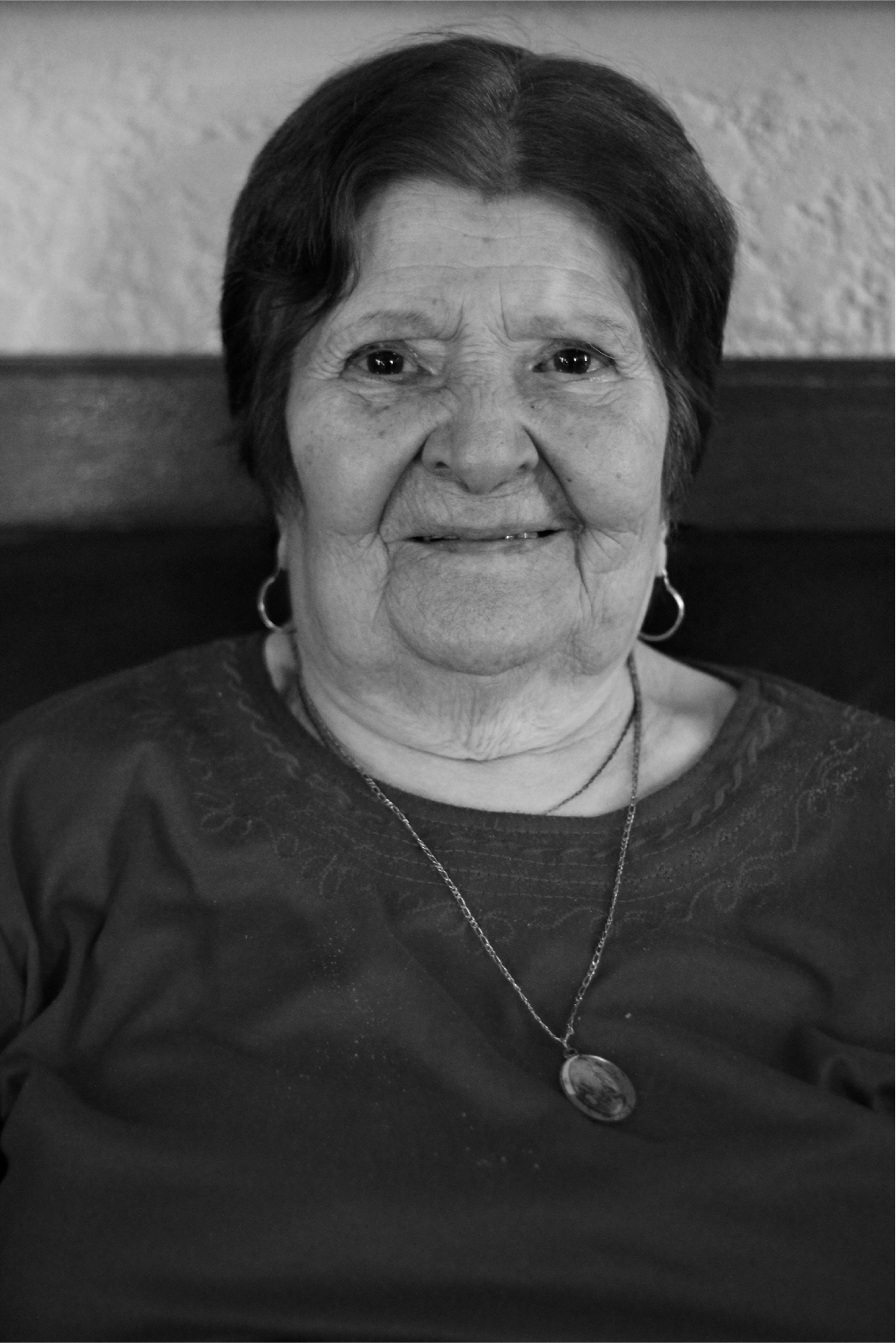
Gentle, sweet-spoken, Rosa used to laugh when Catarina arrived in the morning repeating her name as if she was a radio presenter announcing an internationally renowned artist.


In the last month we were there, she had pneumonia that forced her to stay in bed in her room. One of the days when we went to visit her, she was with her son and was so moved by our presence, as if having visitors was a blessing.

Júlio

We do not know anything about Júlio’s past. Of the present, only what we observed. He always has an allergy on his back and is over the moon when he finds a new way that allows him to scratch them. He loves to dance, even if in a wheelchair.

Teresita

Teresita is one of the few people who came to the Hogar willingly. All the conversations lead to her son who is a fisherman and, like most fishermen in Uruguay, travels through small communities outside Montevideo with a refrigerating van to sell his fish. Whenever there is a party, her son comes to pick her up. Due to arthritis, Teresita is in a wheelchair.

The caregivers

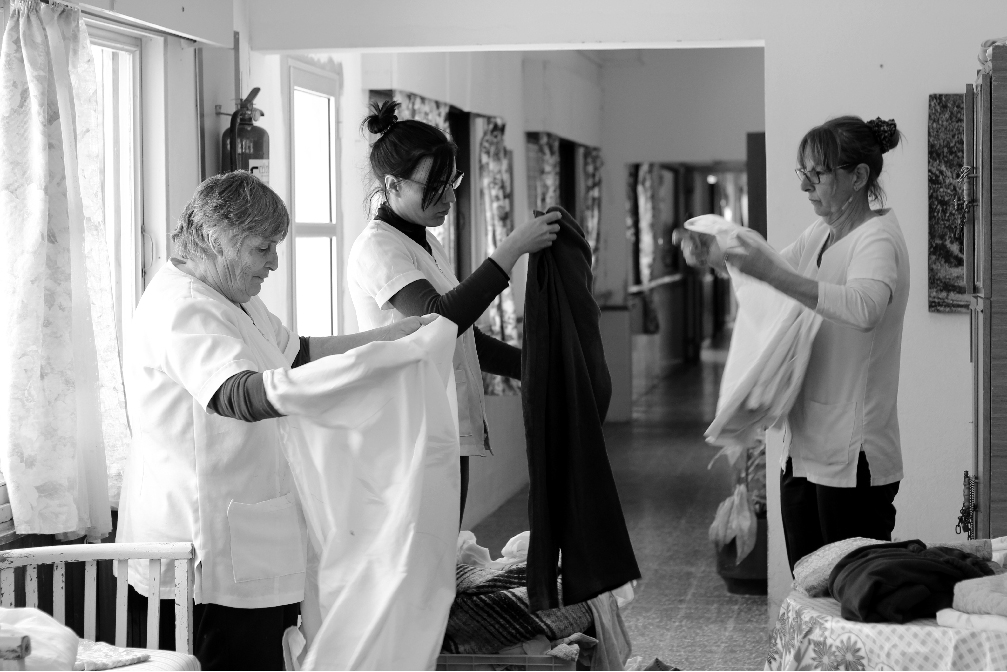
Young and older women work at the Hogar. We found professionals who strive for the well-being of those who live here and others with less capacity for compassion and willingness to deal with other human beings. They work without many conditions and with very high demands. They unfold between shifts in the kitchen, cleaning clothes, facilities and hygiene of the elderly.


Teresa and Valéria run the Hogar. Teresa is married to a former military pilot, now a parish priest, who travelled around the world. They made some trips together, but Teresa prefers to stay in Santa Rosa. From the trips, she will rather listen to her husband’s stories. Valéria arrived at the Hogar after a three-year relationship that took her to Peru, from where she tells some stories to conclude that she really likes the Uruguayan countryside. Every day we find her on the street walking hand in hand with her current husband.


Pompona is actually Carmen Reyes but hardly anyone knows that, even her children took a long time to realise their mother’s real name. But that doesn’t matter because la Pompo, as everyone calls her, is the joy of the Hogar. She is one of the oldest and hardest employees; from the time when they were the ones giving the medication treating the wounds of the elderly. Fortunately, today, there is already a doctor and a nurse for this type of work.


When we said goodbye, in January 2016, this great woman went into retirement, leaving the Hogar after 17 years of work. In this team of women, there is a man who stands out. Mono (monkey, in Spanish) is the Hogar’s handyman. He takes the elderly to dine out and to have their exams every time the ambulances are, for whatever reason, not available.